




Meet Our Pediatrician Doctors
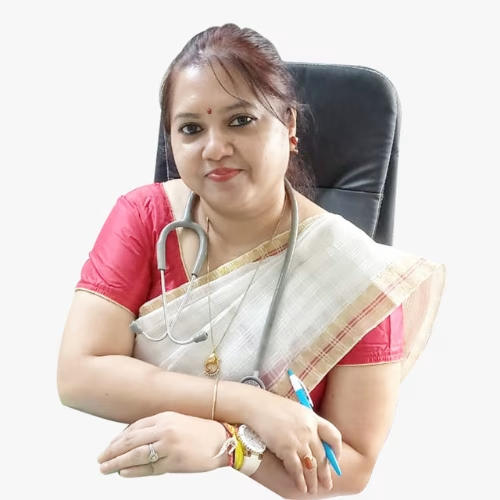
Dr. Barnali Das

Dr. Diganta Barman

Dr. Sweta Sadani
Trusted Pediatrician in Guwahati — Expert Child Healthcare Under One Roof
Every parent wants the best start in life for their child. At Apollo Clinic Guwahati, our pediatrics department is built around one goal: keeping your child healthy, safe, and thriving — from their very first breath through their teenage years.
Our team of experienced child specialists combines evidence-based medicine with a warm, family-friendly approach. We understand that visiting a doctor can be stressful for little ones. That is why we have designed every part of our department to put children — and parents — at ease.
Why Parents in Guwahati Trust Us with Their Child’s Health
Choosing the right pediatrician in Guwahati is one of the most important decisions you will make as a parent. Here is what sets our department apart.
Qualified and Experienced Child Specialists
Our pediatricians hold postgraduate qualifications in pediatrics (MD/DCH) from recognised medical institutions. Each doctor brings years of hands-on clinical experience treating children across all age groups — newborns, toddlers, school-age children, and adolescents.
We stay updated with the latest guidelines from the Indian Academy of Pediatrics (IAP) and the World Health Organization (WHO). Our clinical decisions are always evidence-based.
A Child-Friendly Environment
We know that an intimidating clinic space can make a sick child even more anxious. Our pediatrics wing is designed with children in mind — bright colours, a dedicated waiting area with age-appropriate toys, and consultation rooms that feel welcoming, not clinical.
Children relax faster here. That helps us examine them more effectively and gives you a calmer experience too.
Transparent Communication with Parents
You deserve clear answers — not medical jargon. After every consultation, our doctors explain the diagnosis in simple language. We discuss treatment options, answer your questions honestly, and never rush you out the door.
Comprehensive Pediatric Services We Offer
Our department covers the full spectrum of child health needs, from routine wellness visits to management of complex conditions.
Newborn Care and Neonatal Assessments
The first few weeks of life are critical. Our newborn care services include thorough post-birth check-ups, assessment of birth weight and feeding patterns, newborn screening for common metabolic conditions, and early detection of developmental concerns.
Parents of premature or low-birth-weight babies receive extra support and close follow-up care.
Vaccination and Immunisation
We follow the IAP-recommended immunisation schedule strictly. Our team maintains a proper cold-chain system to ensure vaccine efficacy. We offer:
- All mandatory vaccines under the National Immunisation Programme
- Additional vaccines recommended by IAP (optional but strongly advised)
- Catch-up vaccination schedules for children who missed earlier doses
- Travel vaccinations for families going abroad
We also counsel parents who have doubts about vaccines — with patience and without judgment.
Growth and Developmental Monitoring
Children grow and develop at different rates. We track height, weight, and head circumference against standardised growth charts at every visit. We also assess key developmental milestones — speech, motor skills, social interaction, and cognitive development.
Early identification of developmental delays makes a significant difference in outcomes. When needed, we refer children to the appropriate specialists promptly.
Management of Common Childhood Illnesses
From the common cold to more complex conditions, our pediatrician in Guwahati manages a wide range of illnesses efficiently:
- Fever, cough, and respiratory infections
- Diarrhoea, vomiting, and gastrointestinal infections
- Skin rashes, allergies, and eczema
- Ear infections and tonsillitis
- Urinary tract infections
- Nutritional deficiencies including anaemia and vitamin D deficiency
Chronic Condition Management
Some children live with conditions that need ongoing medical attention. Our team provides long-term management for:
- Asthma — personalised action plans, inhaler technique training for children and parents
- Childhood diabetes — blood sugar monitoring guidance, dietary counselling, and coordination with endocrinology if needed
- Epilepsy — medication management in close coordination with paediatric neurology
- Attention Deficit Hyperactivity Disorder (ADHD) — diagnosis, behavioural strategies, and medication review when appropriate
Adolescent Health
Teenagers have unique health needs that are often overlooked. Our adolescent health services address physical health, nutritional concerns (including eating patterns and obesity), menstrual health, mental wellness screening, and safe counselling around puberty and lifestyle changes.
We create a safe, non-judgmental space where teenagers feel comfortable speaking openly.
When Should You Bring Your Child to a Pediatrician?
Many parents are unsure whether a symptom warrants a doctor’s visit. Here is a practical guide:
Visit us without delay if your child has:
- Fever above 38°C in infants under three months
- Difficulty breathing or rapid breathing
- Persistent vomiting or signs of dehydration
- A seizure or unusual unresponsiveness
- A rash spreading rapidly across the body
- Severe ear or throat pain
Schedule a routine visit for:
- Regular vaccination appointments
- Annual growth and development check-ups
- Pre-school and school health certificates
- Nutritional assessment and dietary guidance
- Any behavioural concern or learning difficulty
When in doubt, always call us. Our team will guide you on the urgency of the visit.
Our Approach to Pediatric Care: What Parents Should Know
We believe good pediatric care goes beyond treating illness. It is about building a relationship of trust with your family over years.
Preventive Care First
We emphasise prevention over cure. Regular health check-ups, vaccinations, and early screening catch problems before they become serious. This is the foundation of good child health.
Holistic Assessment
We look at the whole child — not just the symptom. Nutrition, sleep, activity levels, school performance, and family environment all influence a child’s health. Our consultations are thorough.
Parent Education
Informed parents make better health decisions. We take time at every visit to share age-appropriate guidance on feeding, sleep habits, hygiene, screen time, and safety. We also recommend reliable resources so you can continue learning between visits.
Book an Appointment with Our Pediatrician in Guwahati
Your child’s health cannot wait. Getting timely expert care makes a real difference — whether it is a vaccination due this week or a concern you have been watching for a while.
Booking is easy. You can call our front desk, use our online appointment form, or walk in during OPD hours. Our staff will find the earliest available slot for your child.
Frequently Asked Questions on pediatric care and child specialist
Childhood illnesses include colds, flu, fever, ear infections, sore throat, and stomach bugs. However, symptoms may vary depending on the illness.
You should schedule regular check-ups for your child every 6 months until the age of 2, then annually. Moreover, these check-ups help monitor your child’s growth, development, and overall health.
As a parent, encourage regular handwashing, especially before meals and after using the bathroom. Also, ensure your child gets adequate sleep, eats a balanced diet, and stays physically active and takes vaccinations regularly.
Immunization schedule varies by age and location. Therefore, please consult with your pediatrician for the most up-to-date recommendations.
In broad terms, newborn screening is a series of tests performed on newborns shortly after birth to detect potential health conditions early.
You need specialized care for a premature or low-birth-weight baby. Therefore, please follow the guidance of your pediatrician involved in your baby’s care.
The best option is of course breastfeeding which provides essential nutrients and antibodies. However, if breastfeeding is not possible, formula is a suitable alternative. Therefore, please consult with your pediatrician for advice.
Doctors recommended to introduce solid foods around 6 months of age. Consequently, you should start with pureed fruits and vegetables, and gradually introduce new foods.
The key milestones include crawling, sitting, standing, walking, talking, and social skills.
If you suspect any such delays, discuss your concerns with your pediatrician. Moreover, they can assess your child’s progress and provide guidance if needed.
Common behavioral problems include tantrums, aggression, and defiance. These behaviors can often be addressed through positive parenting techniques, behavior modification, and seeking professional help if needed.
You can consider speech therapy for children if you notice any delay in child’s speech and language development.
Physical changes such as growth spurts, breast development in girls, and facial hair in boys mark the onset of puberty. Moreover, emotional changes during puberty can include mood swings, increased independence, and developing a sense of self.
Changes in mood, behavior, or sleep patterns, withdrawal from friends and activities, and difficulty concentrating may indicate mental health problems in adolescents.
You should encourage healthy coping mechanisms such as exercise, relaxation techniques, and spending time with friends and family.
Doctors can diagnose Epilepsy through medical history, physical examination, and tests such as EEG. Moreover, treatment may involve medication, surgery, or lifestyle changes.
Consult a pediatric surgeon who will assess their condition and determine the appropriate procedure.